We Welcome to the events in Loyoteca and the former Jesuit novitiate on 24 September!
- Read Time: 1 min

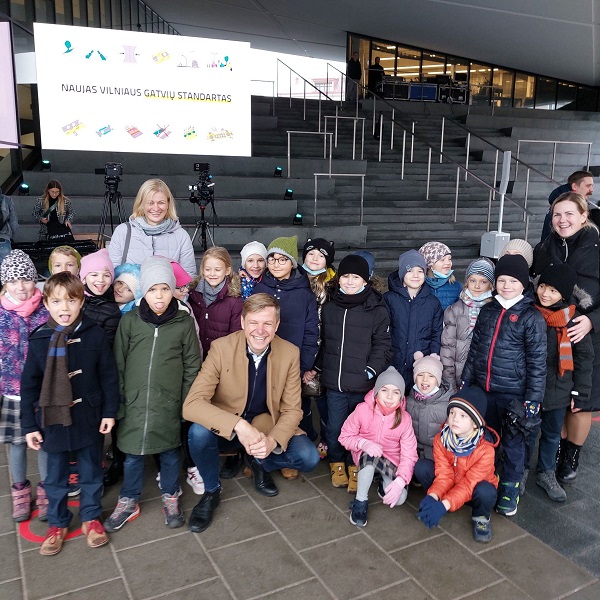
This afternoon, greetings from our youngest gymnasium pupils!

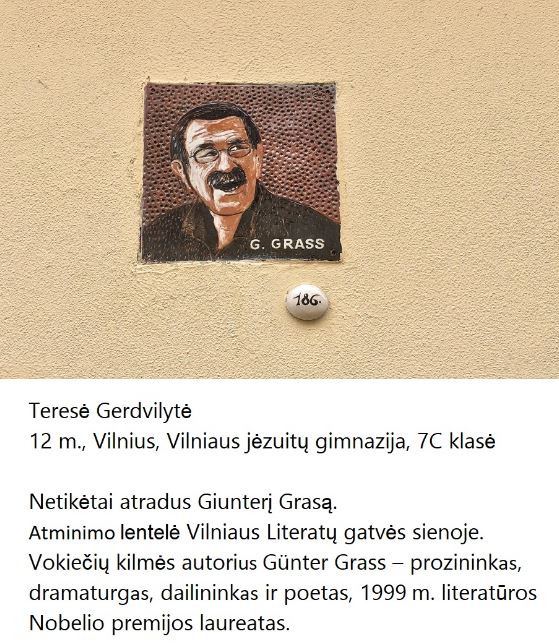
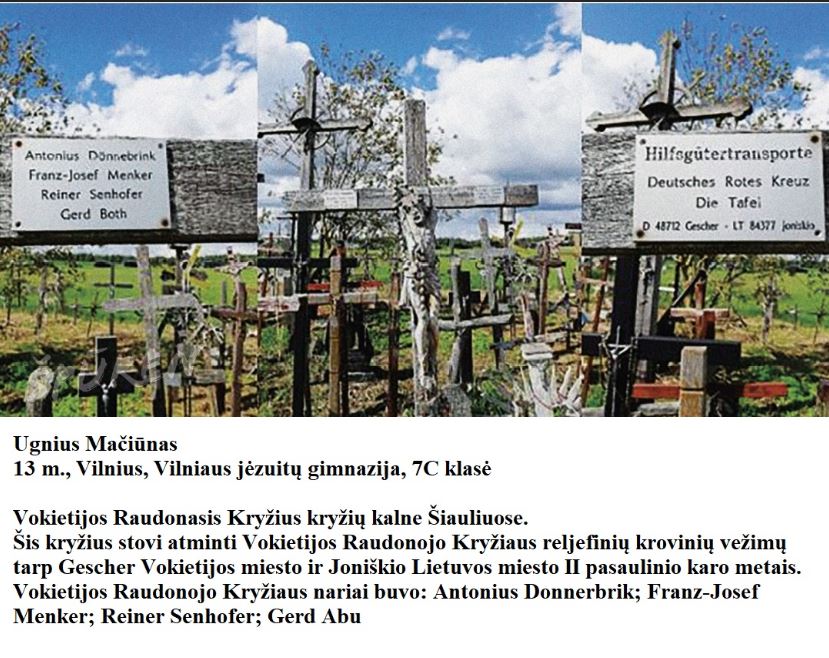
The Department of German Philology at Vilnius University, the Central Board of Foreign Education, the DAAD Club of Lithuania, the DAAD Lecturer's Office and the Lithuanian Association of Teachers of German have organised a photo competition "Spuren" - Searching for German traces and symbols in Lithuania.
The contest was attended by Teresė Gerdvilytė and Ugnius Mačiūnas, students of class 7c of our gymnasium. Their photos were selected for the top 20. We are very happy!
Congratulations also to Teresė, whose photo won 3rd place in the competition and was awarded a special prize!
The winning photos were on display this Sunday and Monday at St. On Monday and Monday and Sunday at St. John's Church.
See more photos here: https://www.facebook.com/konkursas.spuren/videos/310056457220588

Congratulations to VJG team members Tomas Babelis (IIIc), Jurgis Kemeklis (IIa), Radvilas Pelanis (IVc), Gustas Pranckietis (IVc) and Kasparas Savickis (IIIc) on winning the 3rd place in the Lithuanian Mathematics Olympiad for Prof. Jonas Kubilius Cup!
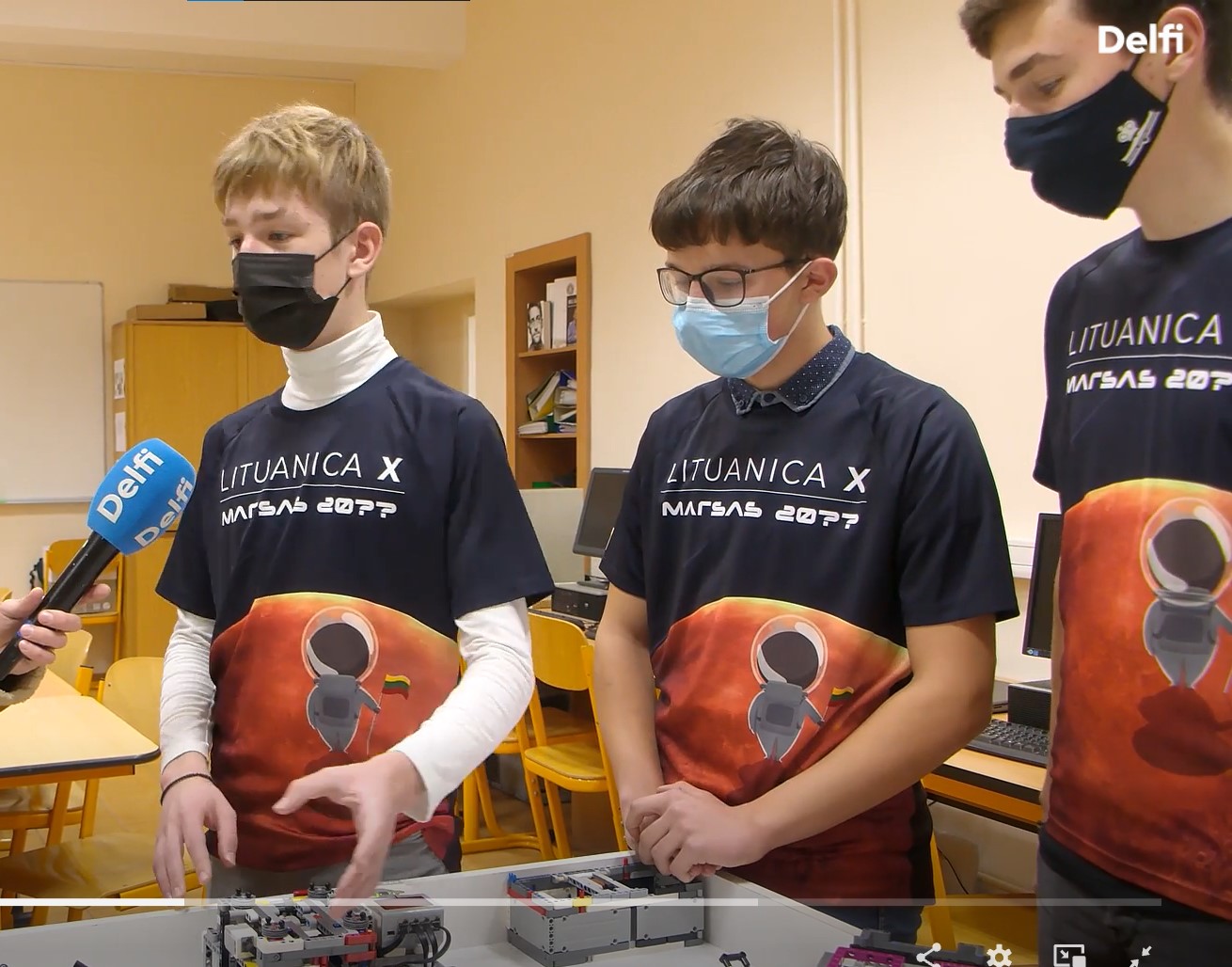
The activities of the VJG robotics team "Lituanica X" were presented on Delfi TV!

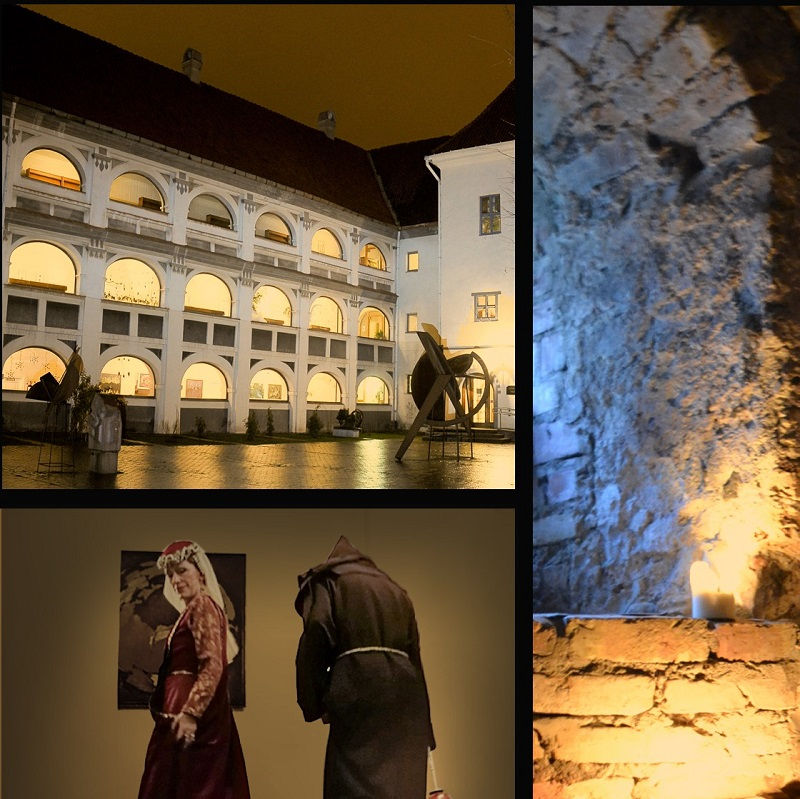
We Welcome to the events in Loyoteca and the former Jesuit novitiate on 24 September!
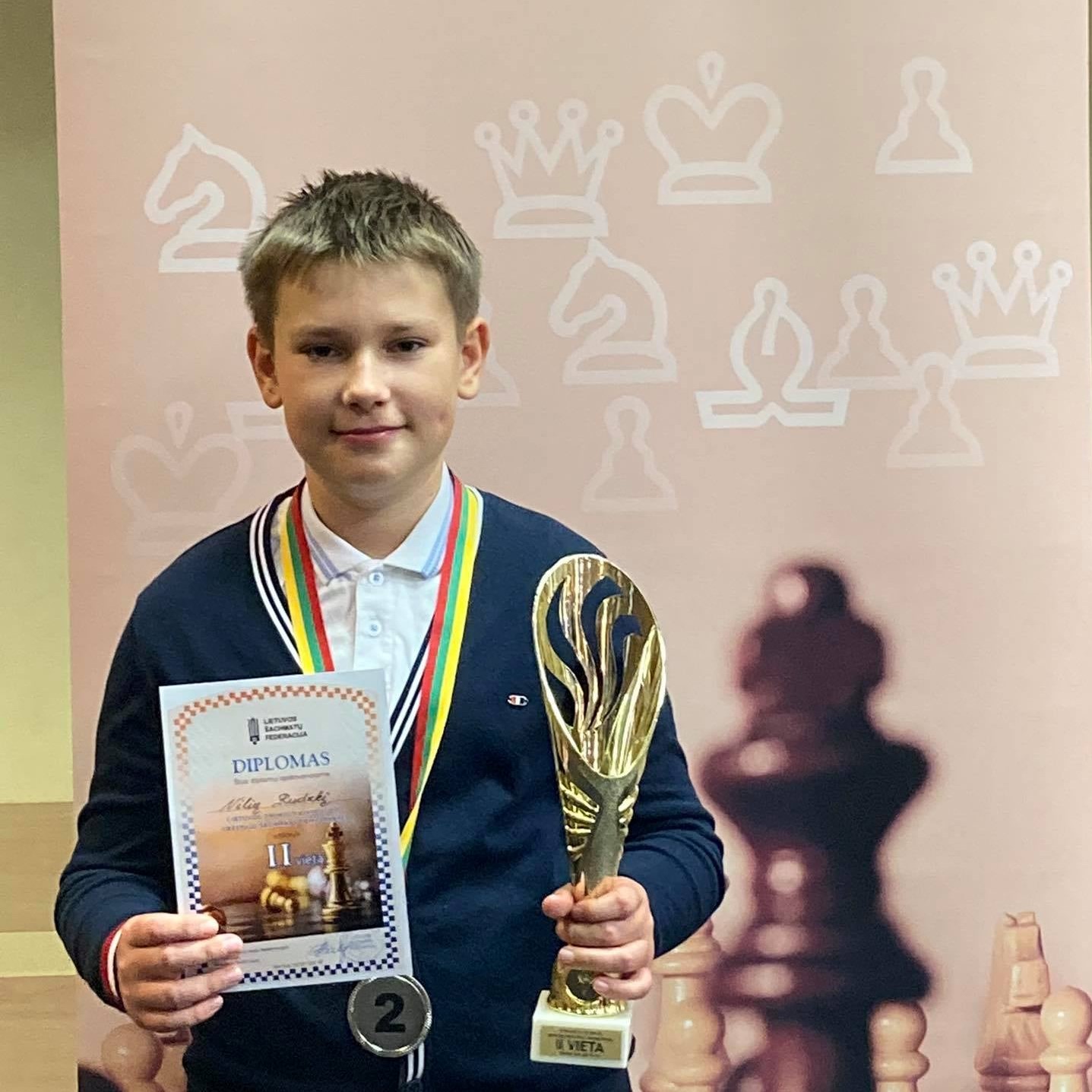
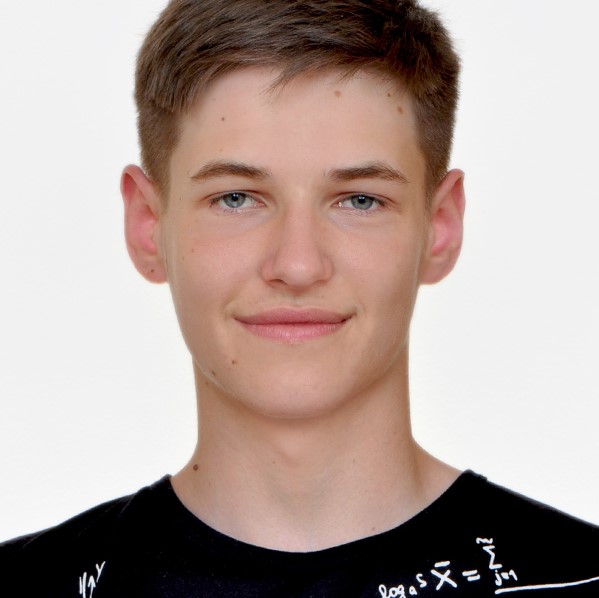
Congratulations to Tomas Babelis (IIIm) who won a bronze medal at the Central European Mathematics Olympiad!
This year, Tom has already taken part in four International Olympiads and won medals in all of them. Thanks to Tomas for your curiosity, patience and great harvest!
Read more: https://www.smm.lt/web/lt/pranesimai_spaudai/naujienos_1/vidurio-europos-matematikos-olimpiadoje-lietuviai-laimejo-bronzos-medalius
September is slowly making its way through the treetops, reminding us how much we miss you all and look forward to seeing you again...
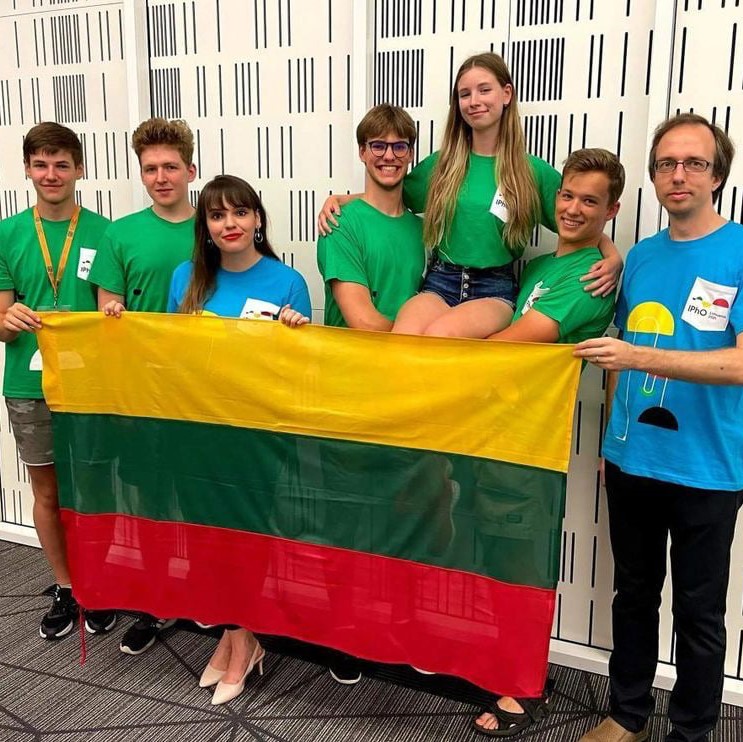
The 51st International Physics Olympiad (IPhO2021), the world's premier event for the world's most talented physics students, concluded in Vilnius over the weekend. Nearly 400 students from 76 countries took part in the two parts of the Olympiad - experimental and theoretical - and Lithuania played a special role this year by organising the week-long Olympiad by distance learning.
South Korean student Kim Kyungmin was the top scorer in the Olympiad, with the highest score in all tasks. Gold medals went to students from Russia, China, Singapore, USA, France, Romania and Hungary.
Lithuanian students Emilis Strazdas (teachers Stasė Traigienė student) and Tomas Babelis (teachers Remigijus Jakutis, Stasė Traigienė student) from Vilnius Jesuit Gymnasium, Monika Šadauskaitė from KTU Gymnasium (teacher Alvydas Jotautis), and Justas Kaminskas (teacher Genovaitė Meinorienė) from Mažeikiai Gabija Gymnasium, were awarded the bronze medals. Tadas Danilevičius from Klaipėda Lyceum (teachers Saulius Žukauskas, Marius Žadvydas) was awarded a letter of commendation.
Students from all over the world took part in virtual tours of Lithuania, listened to lectures by Nobel Laureate Didier Queloz. Lithuanian physics scientists, competed in brain battles, and watched folk dancing and Lithuanian food preparation lessons.
The event was coordinated by the Faculty of Physics of Vilnius University and involved a team of almost 200 people.
LR Švietimo, mokslo ir sporto ministerijos informacija (www.smm.lt)
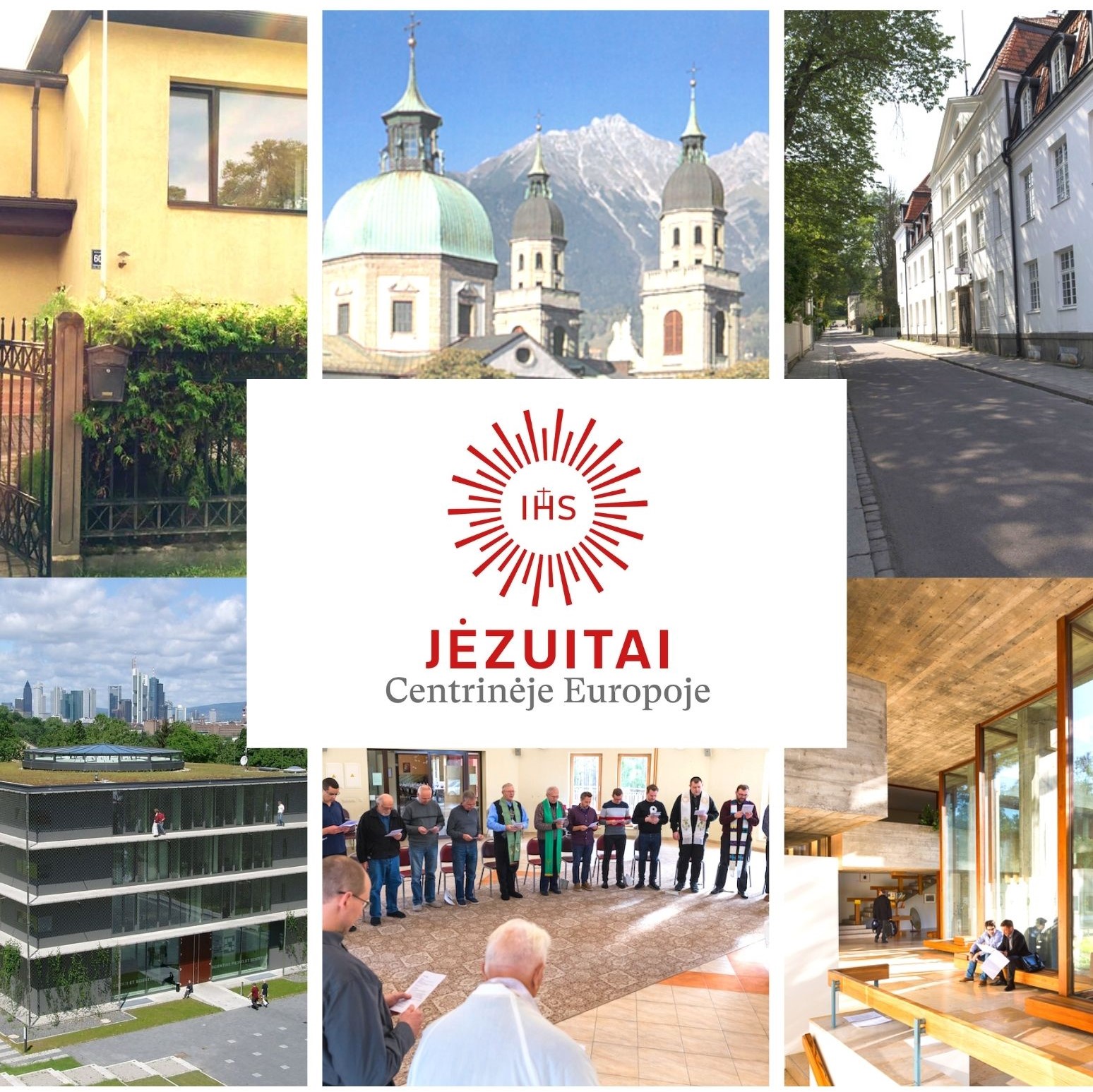
On 27 April, the Jesuit Province of Central Europe (ECE) was established, uniting the former Jesuit Provinces of Austria, Lithuania-Latvia, Switzerland and Germany. With this move, the Society of Jesus seeks to better focus its efforts on the apostolic priorities of the Society: to help people to discover God, to journey with the marginalised, to accompany young people and to care for the environment. The Jesuits are seeking to respond to the times with structural changes, believing that by uniting together they will be able to promote Ignatian spirituality and fulfil their mission more effectively.
The patron saint of the province is St. Peter Canisius, a 16th century Jesuit from the Netherlands. This theologian, reformer of the Church, founder of colleges and universities, was the first Jesuit Provincial of Germany, who foresaw the beginning of Jesuit activity in Lithuania. He died in Fribourg (Switzerland). The ECE Province is being established on 27 April, the 500th anniversary of his birth.
The Province will be headed by the Provincial, Fr Bernhard Bürgler SJ, Provincial of the former Jesuit Province of Austria. The Province will have 442 Jesuits in Austria, Latvia, Lithuania, USA (mission in Lemont), Sweden, Switzerland and Germany. The Province has a common logo, an updated website: www.jezuitai.lt.
The Provincial will be assisted by eight delegates from specific areas. The Delegate for Schools and Universities is Fr Christian Rutishauser SJ, Provincial of the former Swiss Province.
In Lithuania, the magazine "Laiškai bičiuliams" (Letters to Friends) will be replaced by the magazine " Jezuitai" (Jesuits) 3 times a year. It will publish articles on Ignatian spirituality, the Jesuit mission in Lithuania and Europe, and apostolic activities.
The Regional Office of the Jesuit Province of Central Europe (Didžioji g. 34) will be located in Vilnius, and Fr Vidmantas Šimkūnas, SJ, has been appointed to head it.
Source: jezuitai.lt
Watch a documentary about the new province
Conversation: „Jėzuitai ir šių laikų ženklai: nauji būdai apaštalauti Lietuvoje ir Centrinėje Europoje“
Page 5 of 6
 English
  Deutsch
  Lietuvių