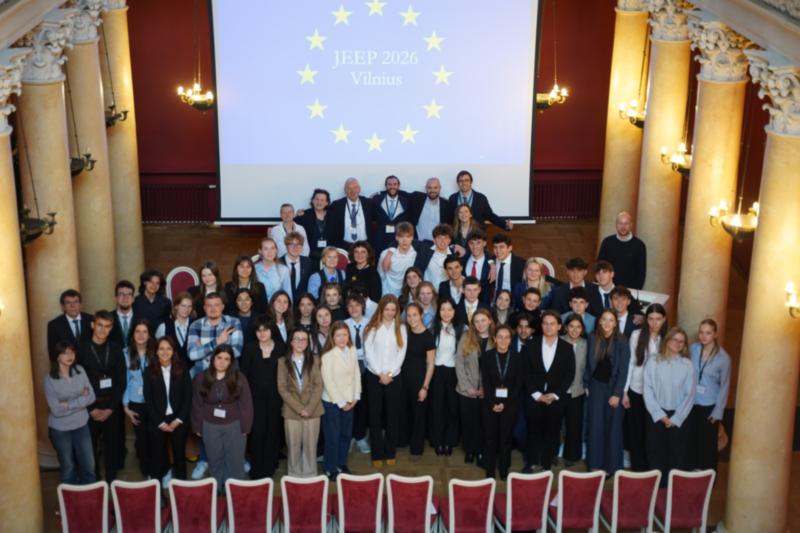
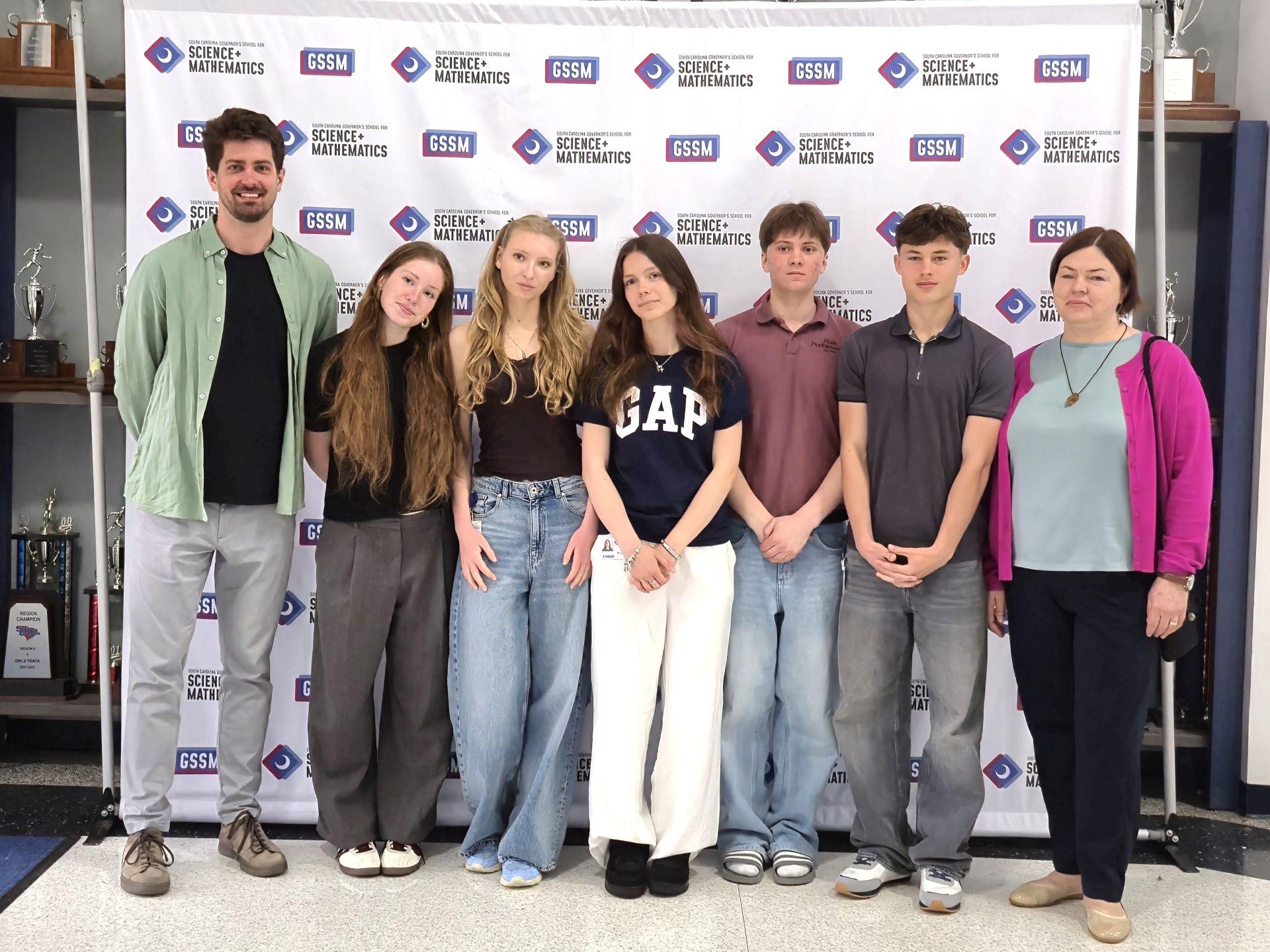
The Jesuit European Educational Project (JEEP) offered students a unique opportunity to explore this question through experience rather than theory.
- Read Time: 3 mins
The Jesuit European Educational Project (JEEP) offered students a unique opportunity to explore this question through experience rather than theory.
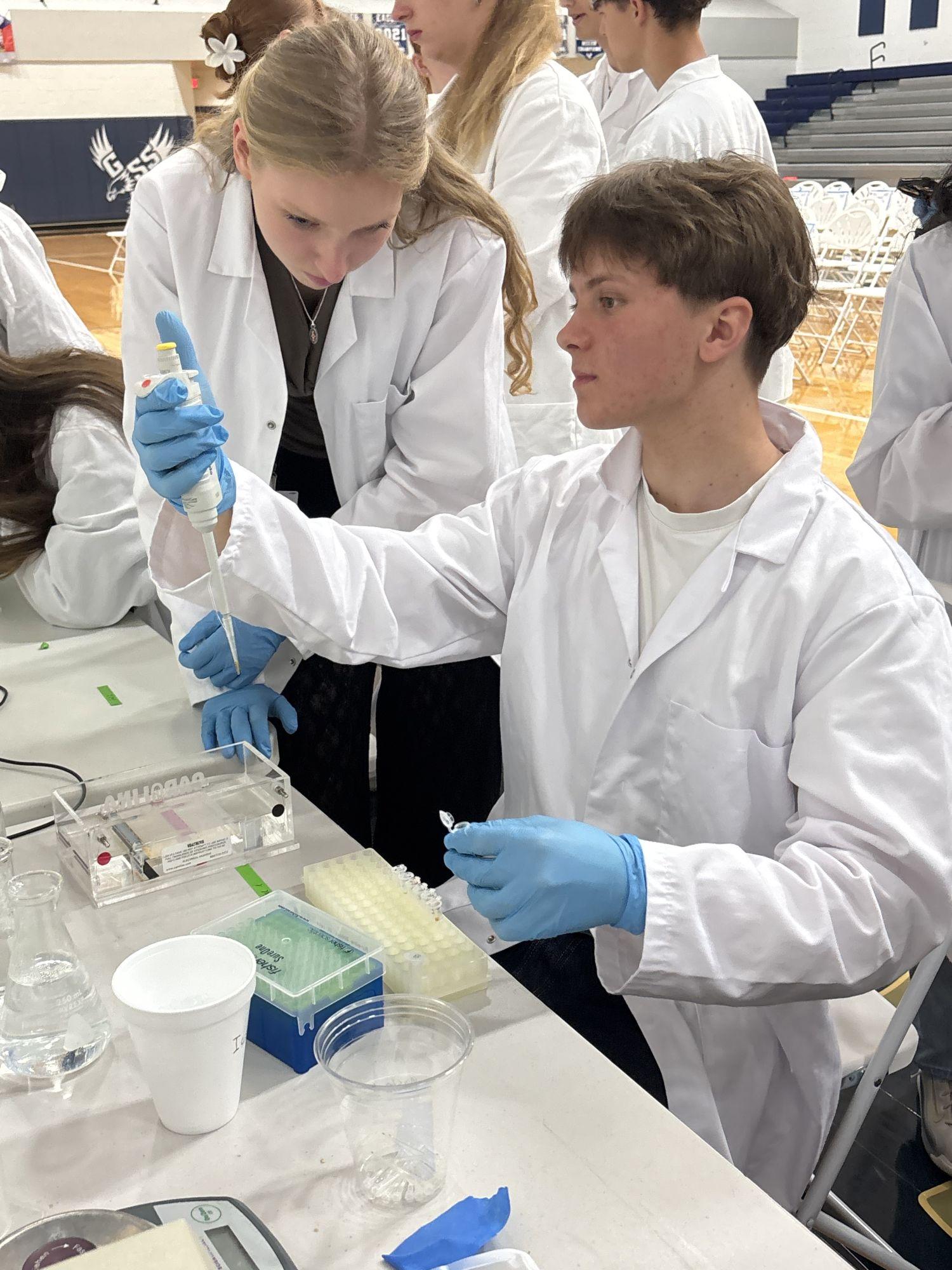
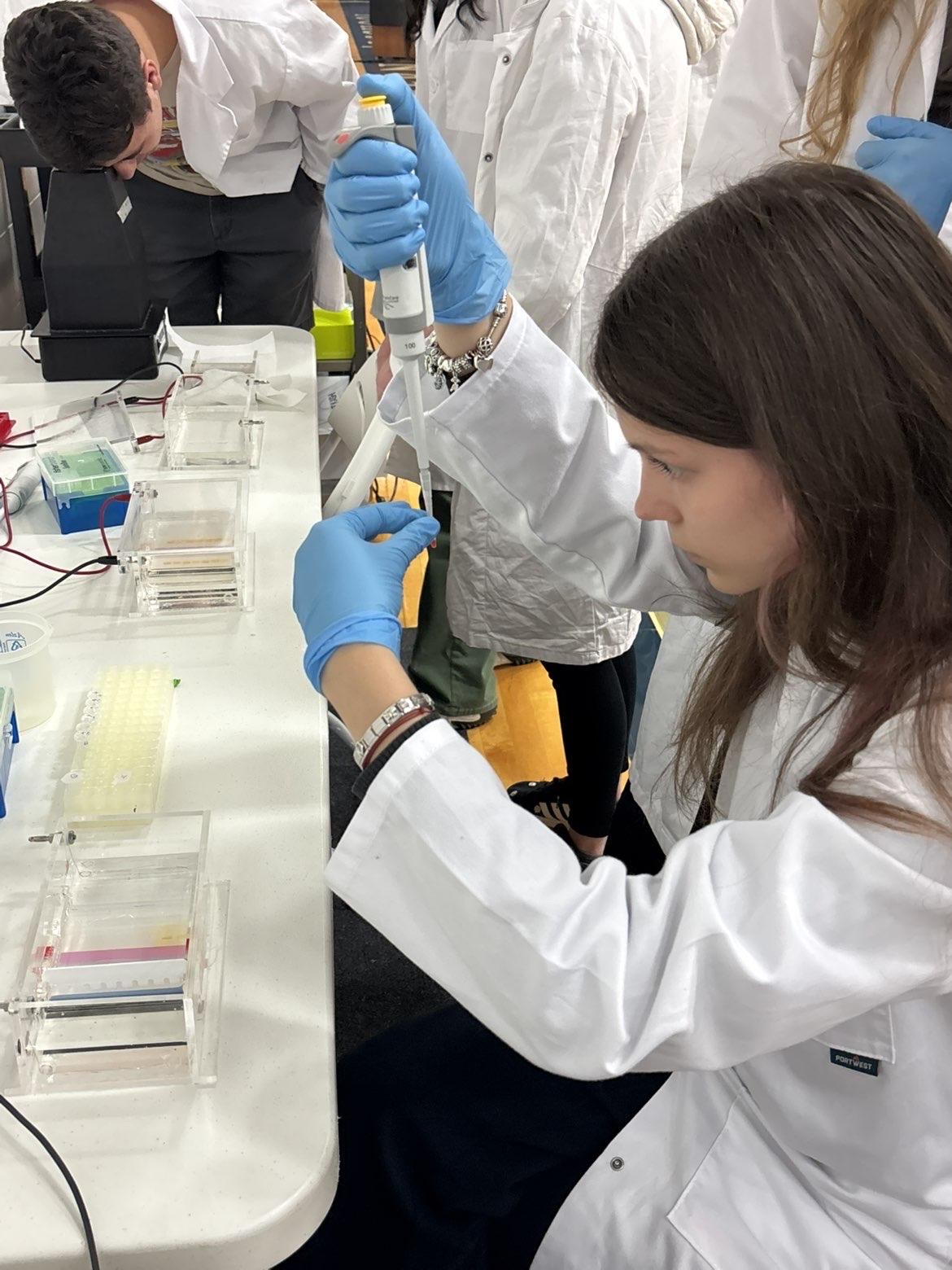
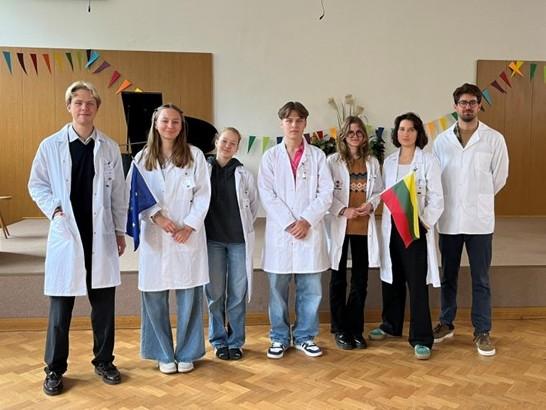
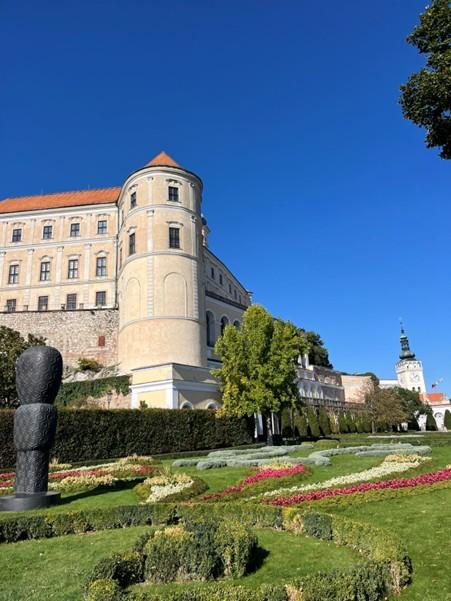
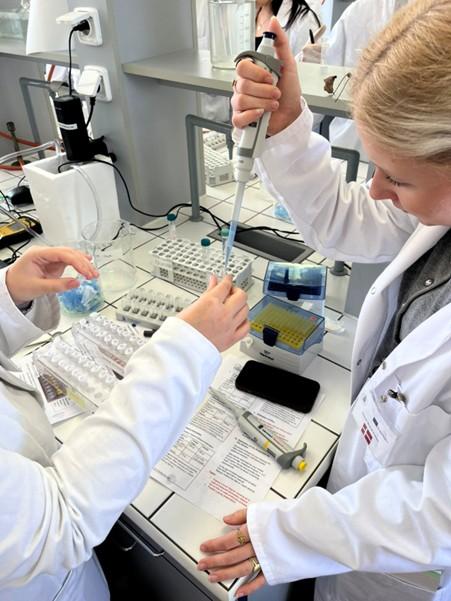
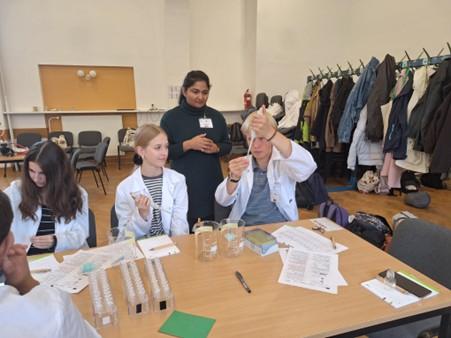
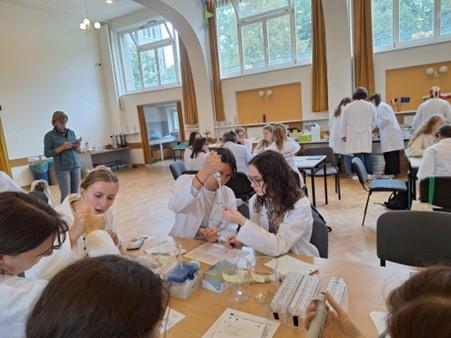
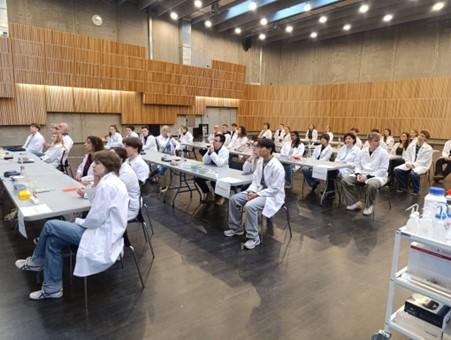
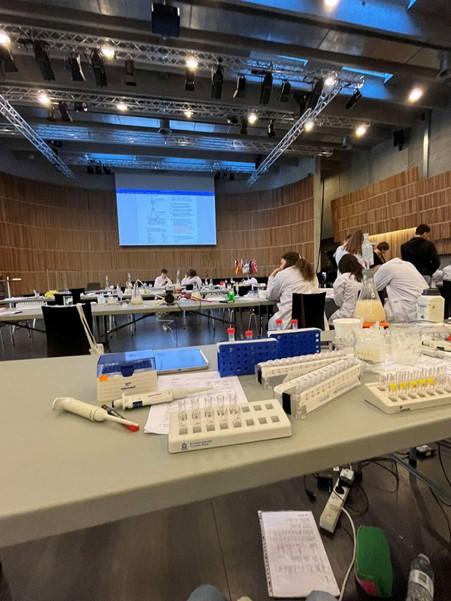
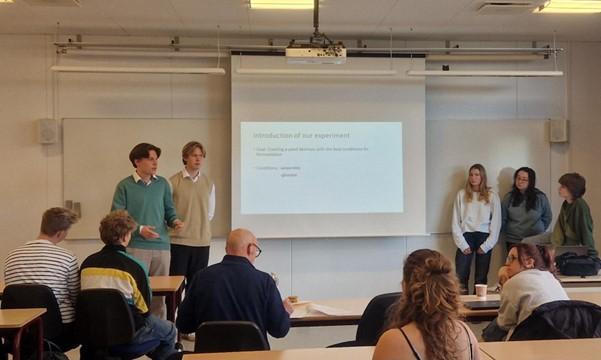
From September 29th to October 3rd, six eleventh-grade students from Vilnius Jesuit Gymnasium, Benas Manstavičius, Pavel Murashov, Kotryna Plyniūtė, Rusnė Ponomariovaitė, Kotryna Mieldažytė, and Agota Kiesaitė, together with their biology teacher Simas Ignatavičius, participated in the Erasmus+ project, where they performed laboratory practical work related to yeast production.
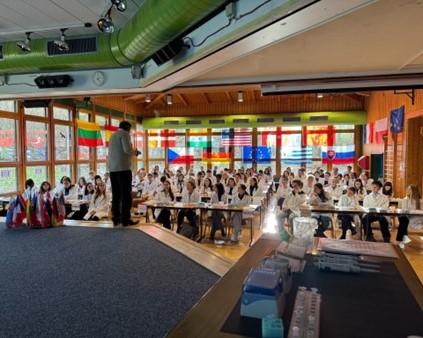
Students from eight countries participated in the meeting held in Brno, Czech Republic: Poland, France, Germany, the Czech Republic, Slovakia, Greece, Lithuania, and Denmark. Working in mixed teams, the students learned a lot about the cultures of other countries and shared interesting facts about Lithuania.
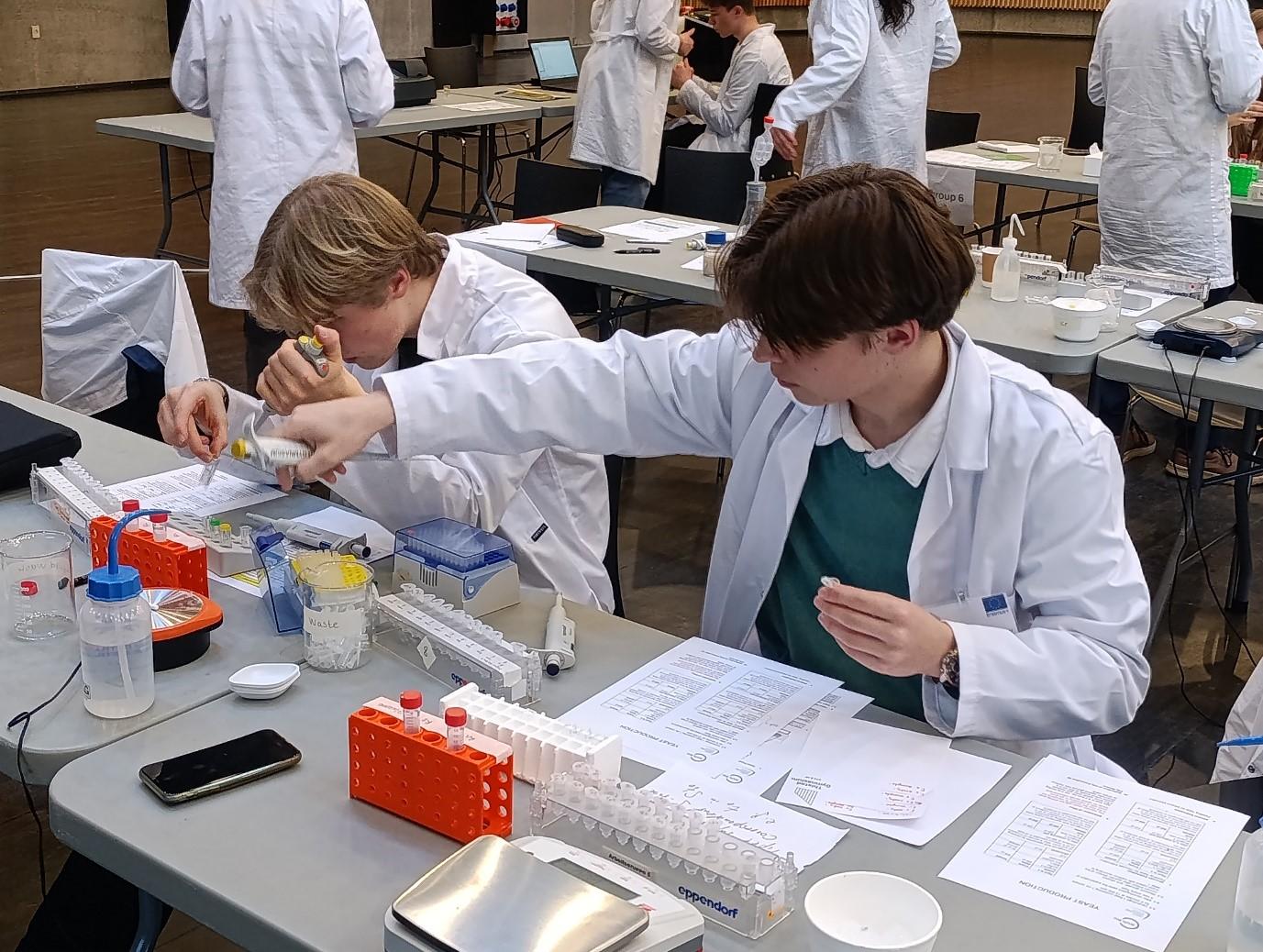
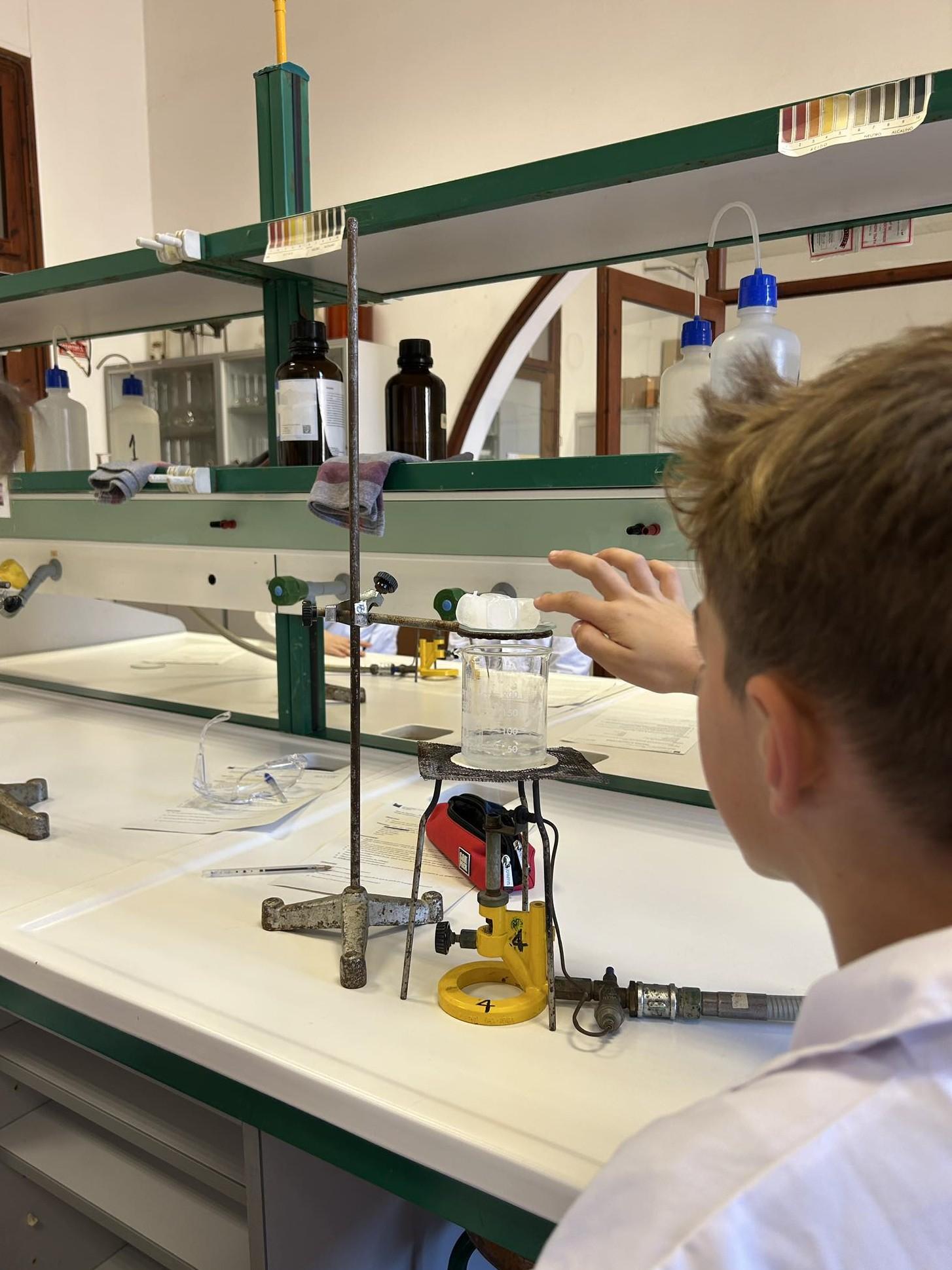
During the experiment, they had to find out the most effective way to grow yeast by calculating the optical density, glucose and ethanol concentrations. The students also learned how to use automatic pipettes and a photometer, also prepared a fermenter themselves beforehand.
The Lithuanians did very well: student Kotryna Mieldažytė took second place and Kotryna Plyniūtė took third place in the quiz.
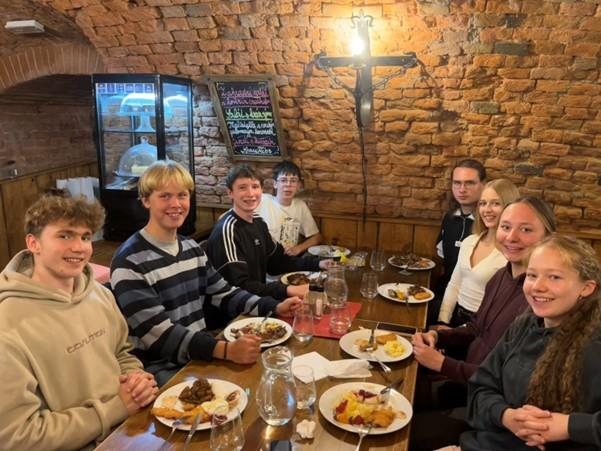
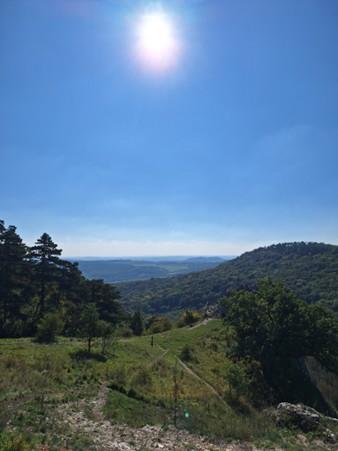
The students lived with host families, so they were able to experience authentic Czech everyday life. They also visited the G. Mendel Genetics Museum, ,,CEITEC” University, went to see the hills of Southern Moravia, and had a great time with other students.
The project is funded by the European Union's Erasmus+ program.

Our students took part in a series of remote meetings invited by St. Louis University High School (USA) to which students and teachers from Jesuit schools around the world were invited. The aim of the project was to collaborate on solutions to global problems.
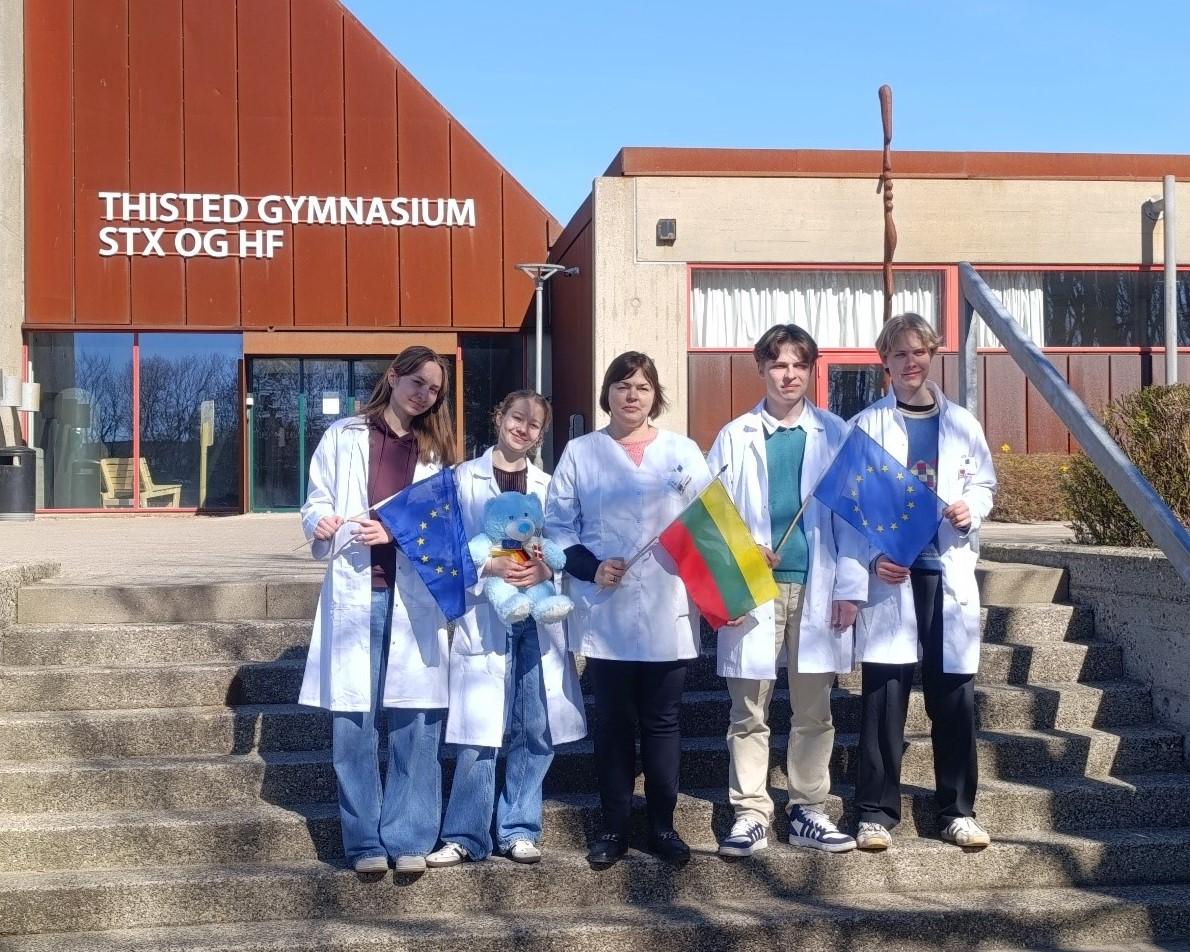
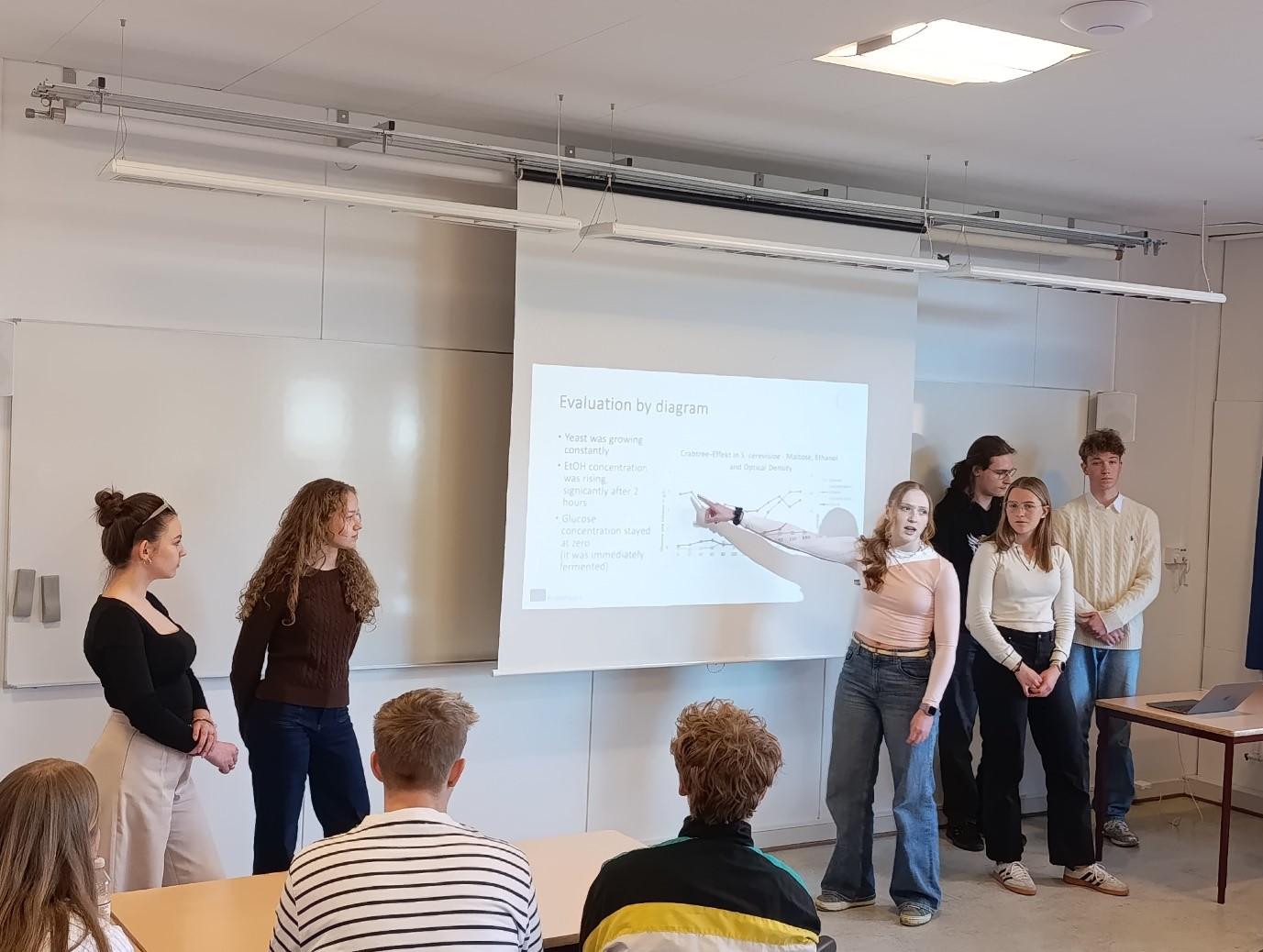
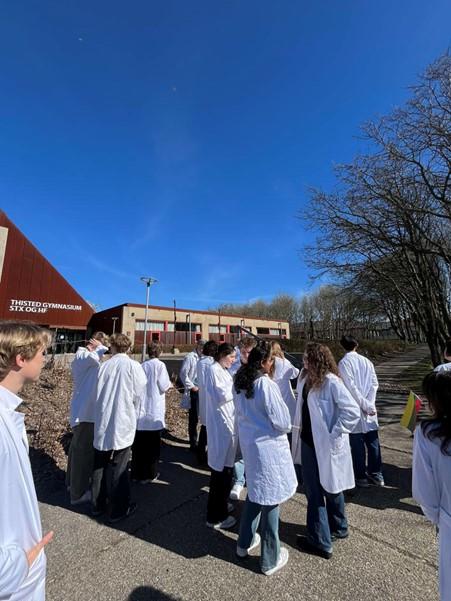
From 30 March to 5 April, four Vilnius Jesuit High School 10th-graders Benas Manstavičius, Pavel Murashov, Kotryna Plyniūtė and Rusnė Ponomariovaitė, together with their Chemistry teacher Rasa Rudzevičienė, took part in an Erasmus+ project where they carried out practical laboratory work on yeast production.
Students from eight countries – Poland, France, Germany, the Czech Republic, Slovakia, Greece, Lithuania and Denmark – met in the small Danish town of Thisted. Working in mixed teams, the pupils learned a lot about other countries' cultures and shared curiosities about Lithuania.
The experiment involved finding out the most efficient way to grow yeast by calculating optical density, glucose and ethanol concentrations. They also learned how to use micropipettes and a photometer.
The Lithuanians performed well: in the knowledge test Benas Manstavičius came in second place, which he shared with a student from Slovakia.
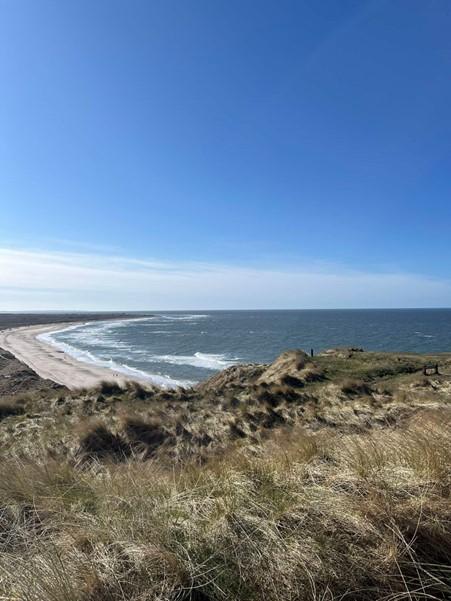
The pupils lived in host families and experienced authentic Danish daily life. They also travelled to Aarhus to learn about Danish history at the Moesgaard Museum and hiked along the North Sea coast.
The project is funded by the Erasmus+ programme of the European Union.

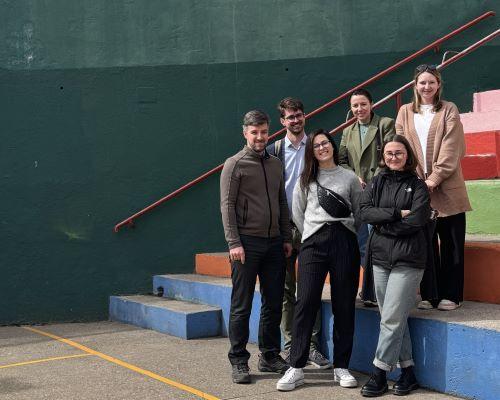
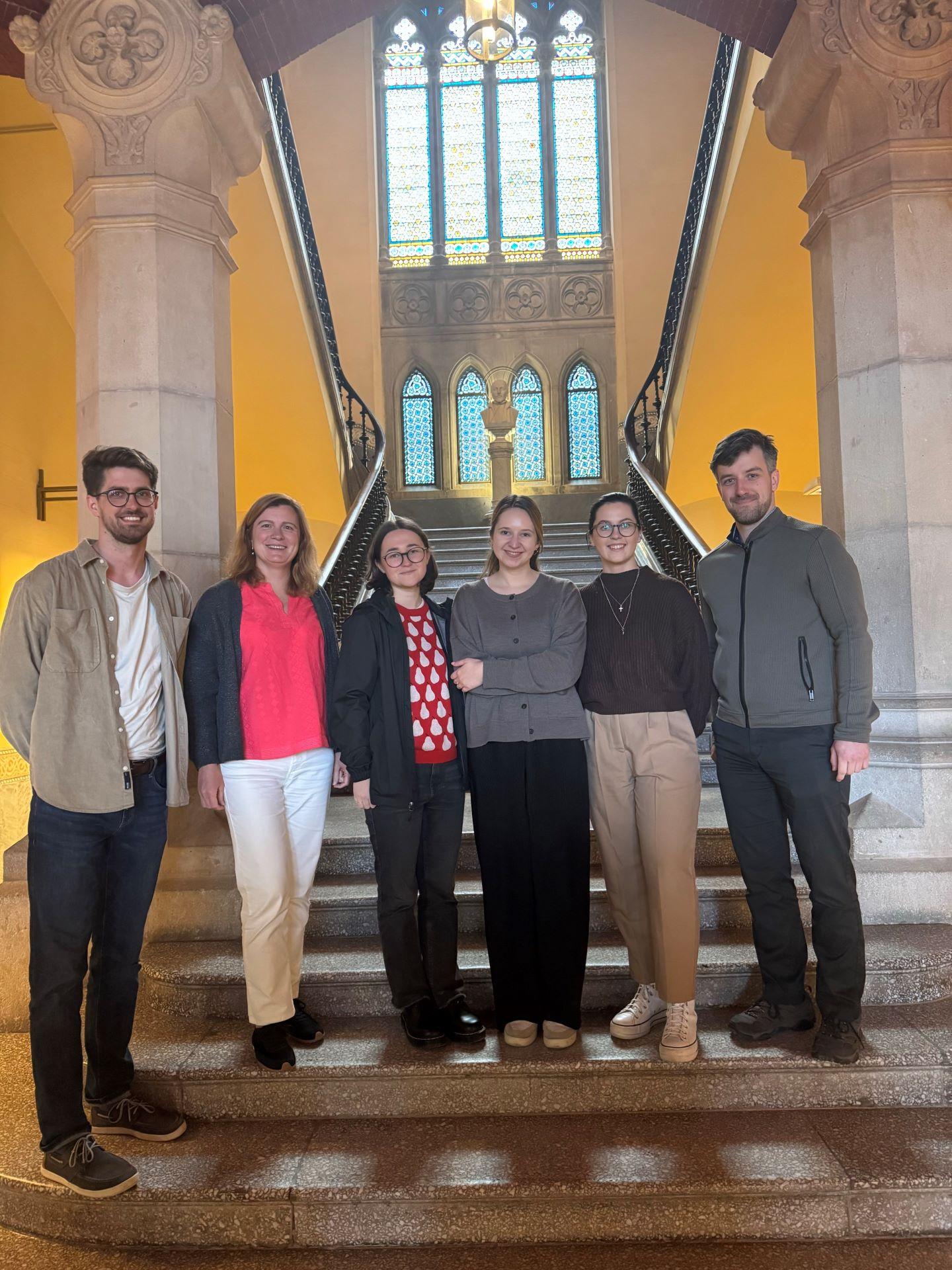
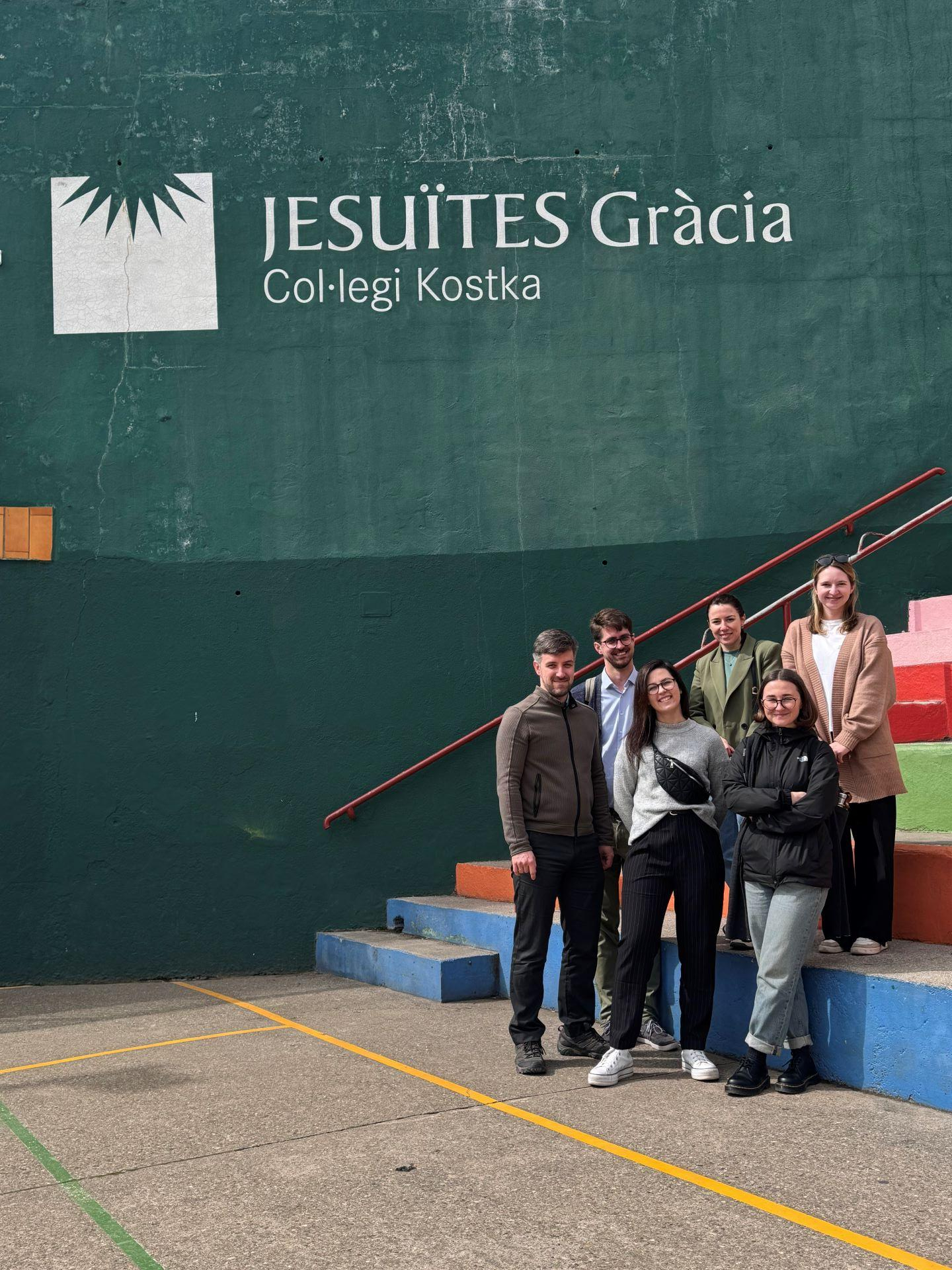
From March 31st to April 4th, a group of VJG teachers visited Jesuit schools in Barcelona: Jesuïtes Sarrià Sant Ignasi and Jesuïtes Gràcia-Kostka. The trip included primary school teachers Inesa Gasianec, Margarita Sachanevičienė, and Neringa Micutaitė, physics teachers Indrė Česonė and Mykolas Mališauskas, and biology teacher Simas Ignatavičius.
At the visited schools, the teachers shadowed lessons and observed the practical application of project-based learning methodology. They analyzed how the school integrates STEAM principles into the curriculum and how interdisciplinary projects are created and implemented to achieve holistic learning. The teachers discussed and shared best practices, and talked about the challenges of both countries' education systems. During the visit, collaboration was established between the Jesuit schools of Spain and Lithuania – at the end of the school year, VJG will welcome teachers from the Barcelona school.
Six 11 grade students experimented with microbe DNA in an international educational biotechnology project.
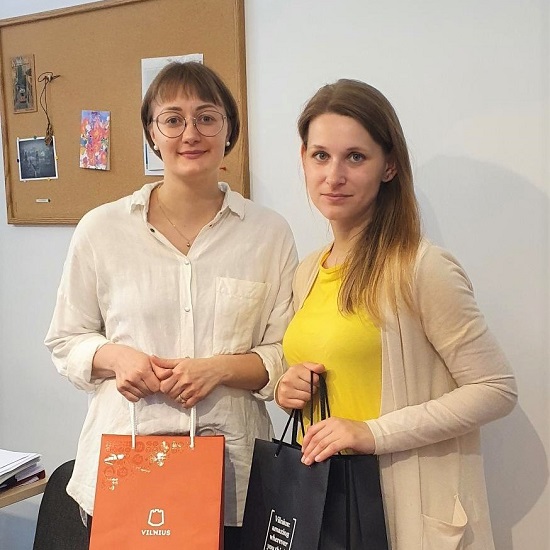
Today Milda Liubinienė, representative of the Lithuanian Tennis Association for Persons with Disabilities, visited the VJG and handed out certificates of appreciation and symbolic gifts to the gymnasts of our school, who volunteered during the International Disabled Tennis Tournament Lithuanian Open 2022. Thank you to them!
Together with Milda, we discussed further cooperation and volunteering opportunities, and we are very happy to expand our list of social partners!

Two years ago, our Gymnasium's friendship with the Liceo Classico F. Vivona school in Rome developed into a joint eTwinning project with the participation of the students of Class IIIb this spring!
Together with students from Italy, they created the online magazine "Behind the Masks".
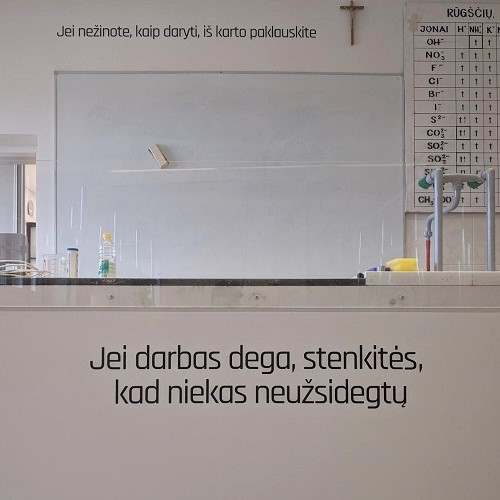
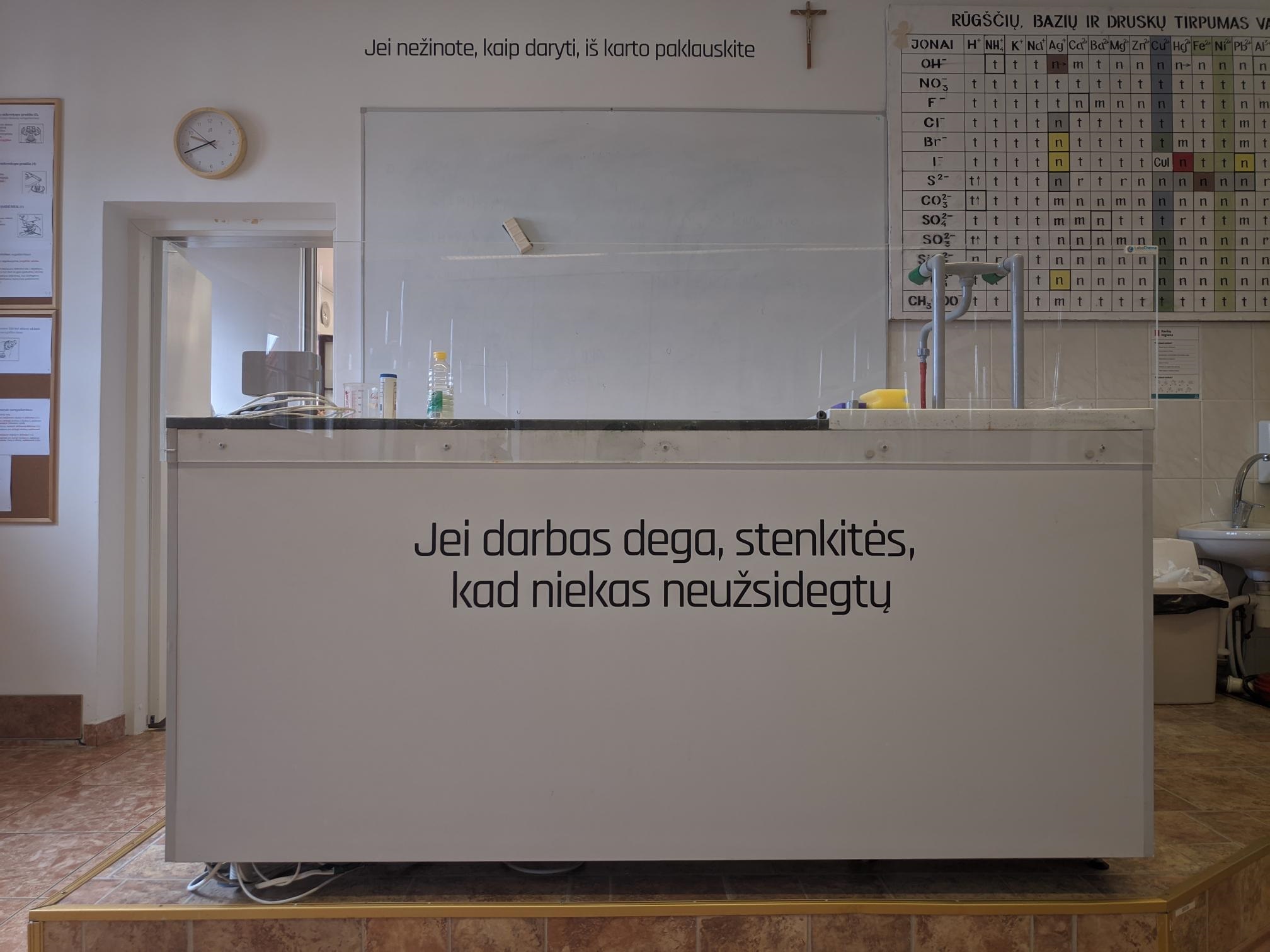
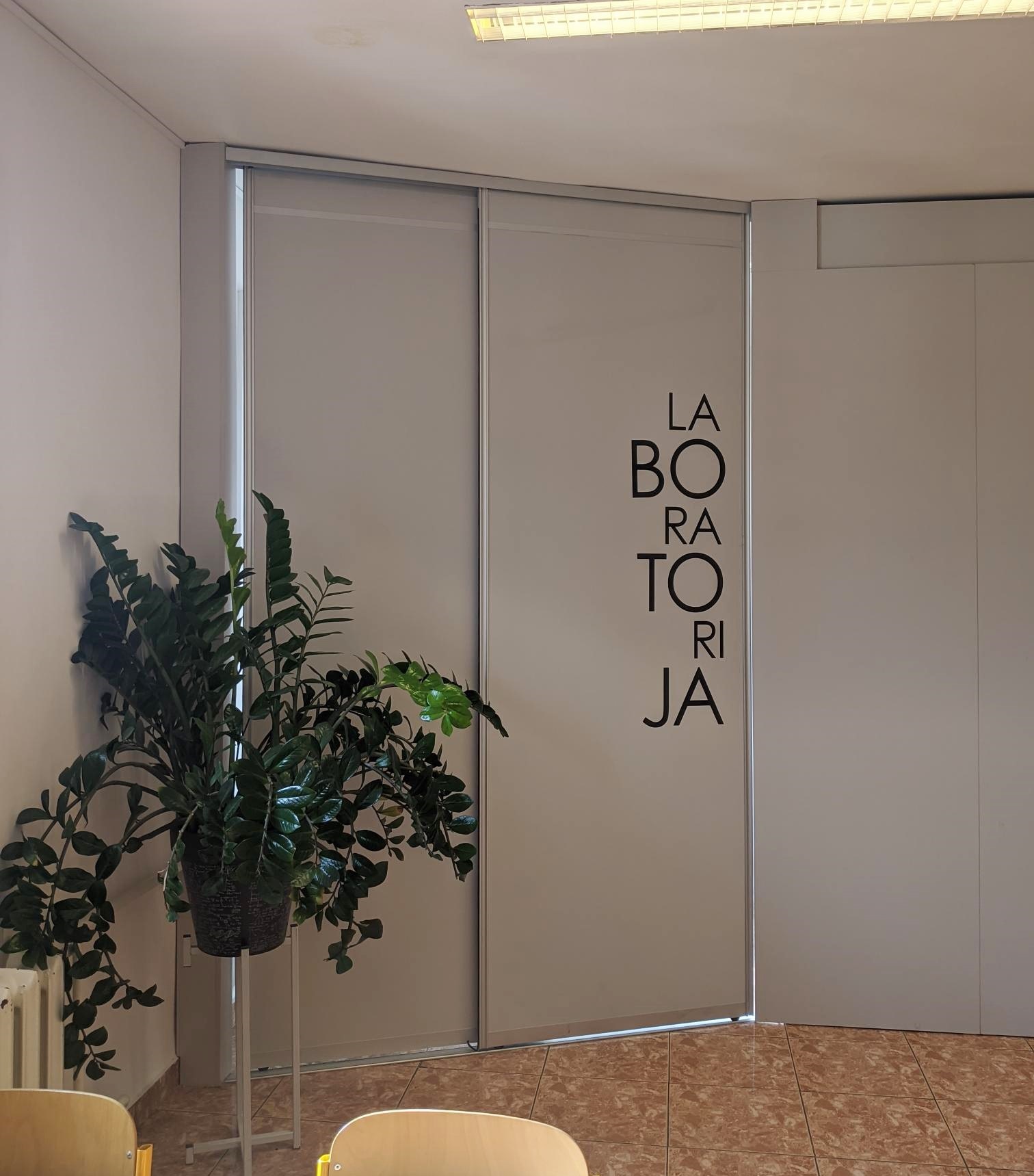
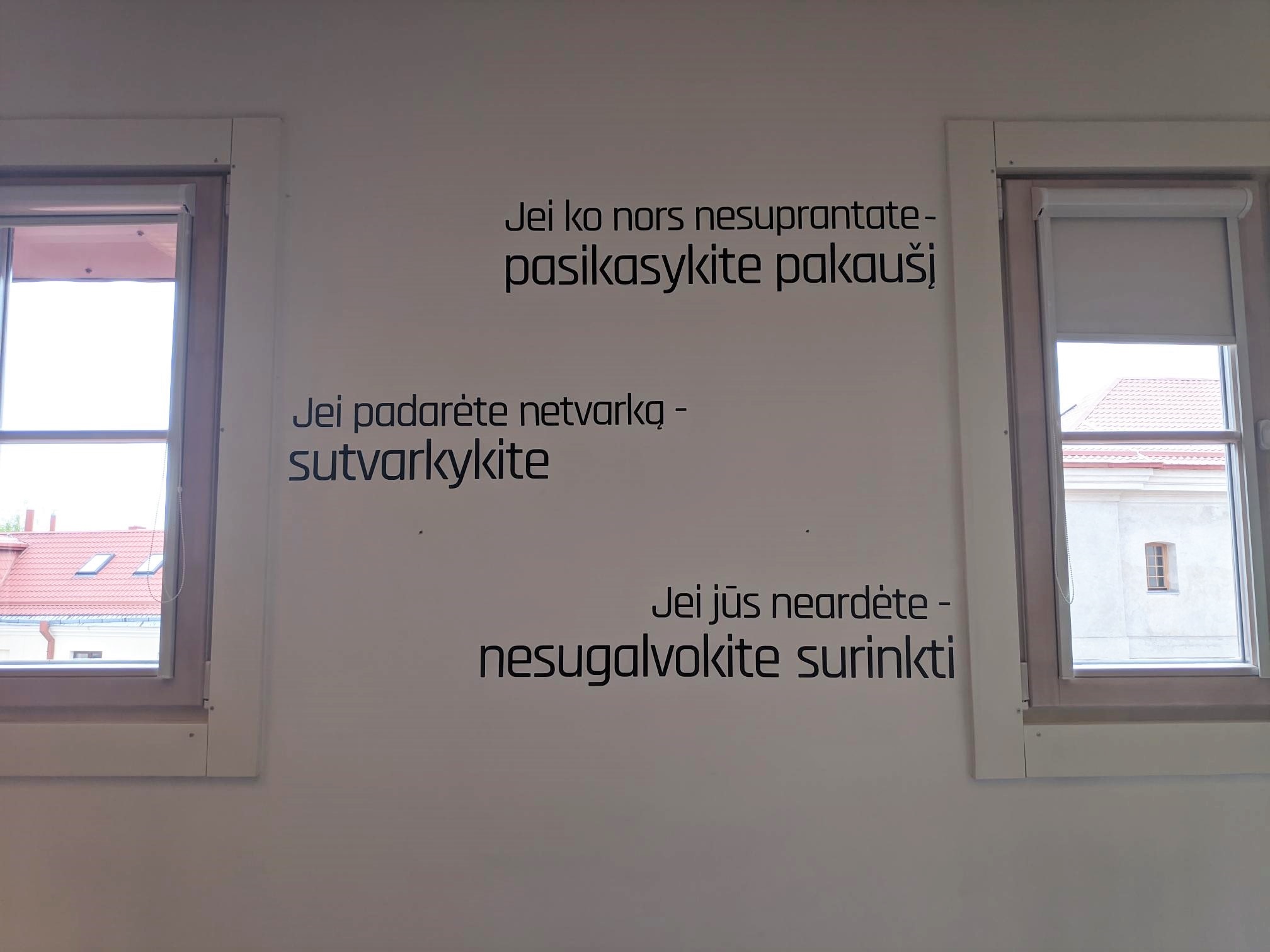
The school's laboratory is decorated with new graphic design works by 12th graders. The walls of the lab will tell serious and witty advice to the students.
Authors of the graphic design: Astijus Saulevičius, Vilius Gegužis, Aurimas Jurkus, Simonas Dirgėla.


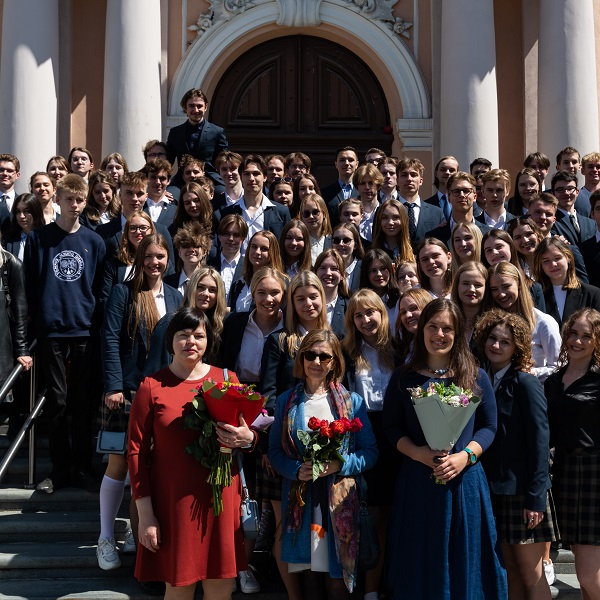
On 23 May, 12th graders rang the last bell, took part in a symbolic last lesson, and were greeted by first- and fifth-graders. The Headmistress of the Gymnasium, after presenting a certificate of appreciation for special merit, wished the entire 26th generation "courage and openness to accept all that awaits them under the Lord's Heaven".
On Saturday, the Educational Media Centre "Lojoteka" hosted a high-speed chess tournament "VJG Cup-2022". The tournament was registered for FIDE rating calculation, so those who successfully played received or raised world ratings.
20 players took part in the competition: not only students, but also their parents, brothers...
The tournament was very tough. Not a single chess player managed to avoid defeat. Linas Matačiūnas, a student of VJG 6th grade, and Giedrius Surplys, the father of student Faustus, scored 5,5 points each. Linas was the winner according to the additional indicators. The third place went to Mantas Mikšys, grade 8, with 5 points.
The best among the girls was Violeta Domarkienė, mother of student Rokas, with 4.5 points. Yevhen Lukianenko, a guest from Ukraine, who was competing at this level for the first time, scored several nice victories.
Congratulations to the participants and winners!
Thanks to Karolina Nadzeikaitei for capturing these moments
Page 1 of 6